Tuesday, 29 July 2014

Review - The Lord of the Rings: The Battle of Helm's Deep

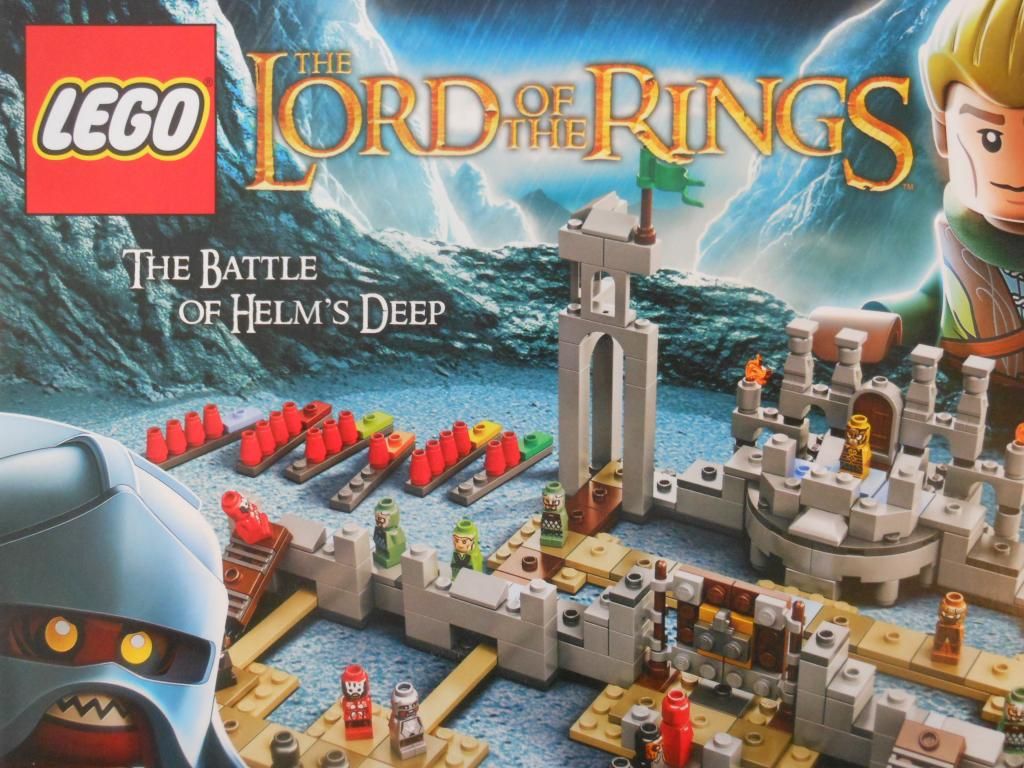
The Battle of Helm's Deep


The Lord of the Rings: The Battle of Helm's Deep
Produced by LEGO
Designed by Nicolas Assenbrunner and Cephas Howard
For 2 players, aged 8 to adult
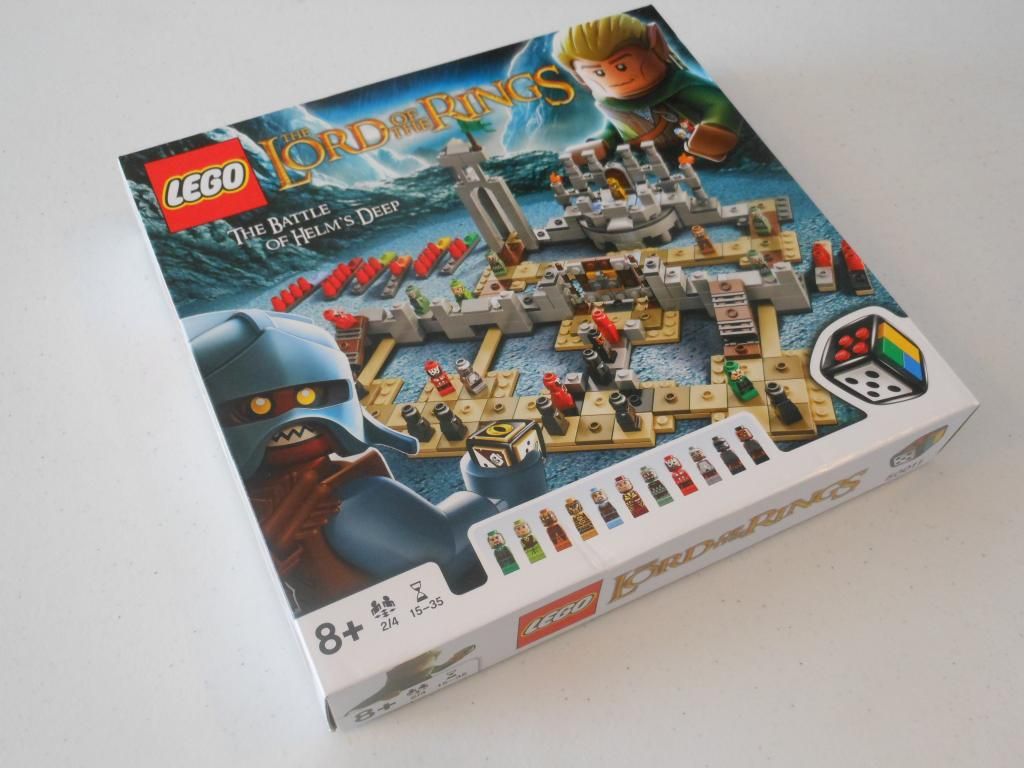

The Battle of Helm's Deep LEGO game
Look - LEGOlas is on the front cover. (See what I did there?)


Sometimes parents do bad things. They don't mean to; they just do.

When I was young, I didn't particularly like sports, and I spent most of my time reading, and living in fantasy worlds. My parents used to worry that I didn't get out enough, and that I spent too much time on my own.

They didn't need to worry; they were doing a pretty stand-up job raising me. And I was happy.

But I remember one day, when I was about fourteen years old, I was building something out of LEGO. My mum said, "Aren't you too old to be playing with LEGO?"

Now that hurt.

It made me feel childish and stupid.

I don't want you to think badly of my mum. I know that what she said, everything she ever did, came from a place of love. She was merely concerned because she saw me doing something that she did not consider to be "normal," and she has never been very good at keeping her opinions to herself. I think she would be mortified if she knew how much it upset me at the time.

Nevertheless, I lied to my mum that day. I told her I was checking all the pieces of the LEGO were there so I could sell it.

And then I sold it.

Fast forward over 20 years, and here I am. The boy who created fantasy worlds in his head now puts those fantasy worlds on paper, has a family of his own, and yes... he plays with LEGO.

I am fortunate. I have a daughter who absolutely loves LEGO, and we spend hours at a time playing with her collection of Marvel characters, or building houses for her Simpsons minifigures to live in. It is one of my favourite things in the world, and I love to see what creative things she makes, and the stories she invents as she plays.

Of course, as much as I love LEGO, my real passion is for board games; so when LEGO started making board games, it seemed like it was a match made in heaven.

Sadly, most of the LEGO games were mediocre at best, and there are very few of them that are really worth owning.

One of the exceptions is The Battle of Helm's Deep.
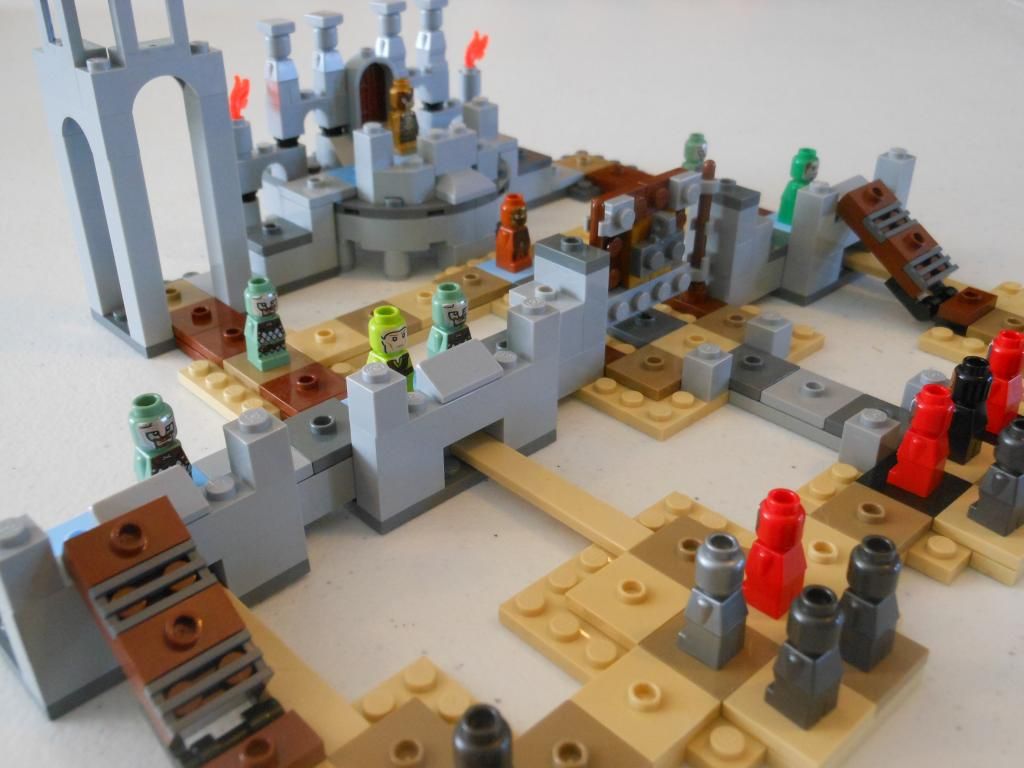
The Battle of Helm's Deep LEGO
LEGO is so cool.


Okay, I admit, I am predisposed to like this game. It is based on The Lord of the Rings movies, and it is made with LEGO. Even if the game was the worst game in the world, it would still have a place on my shelf.

But, perhaps surprisingly, the game is good.

I mean, not really good. Not astounding.

But good.

The game represents the climactic final scenes of The Lord of the Rings: The Two Towers, when the Uruk-hai army crashes against the defences of Helm's Deep. How do I know it is based on the movie rather than the book? Because one of the characters defending the walls is Haldir, of course.

So, the first thing to do before playing is set up the board. This took my daughter about an hour with my help, but she is only three years old. Older children (or adults) should have the game pieced together in about 20 minutes.

Once assembled, the game looks pretty impressive. It is small, but the level of detailing is good. It genuinely looks like Helm's Deep, with towers, flags, siege ladders, and pillars. Really very beautiful in that LEGO kind of way.
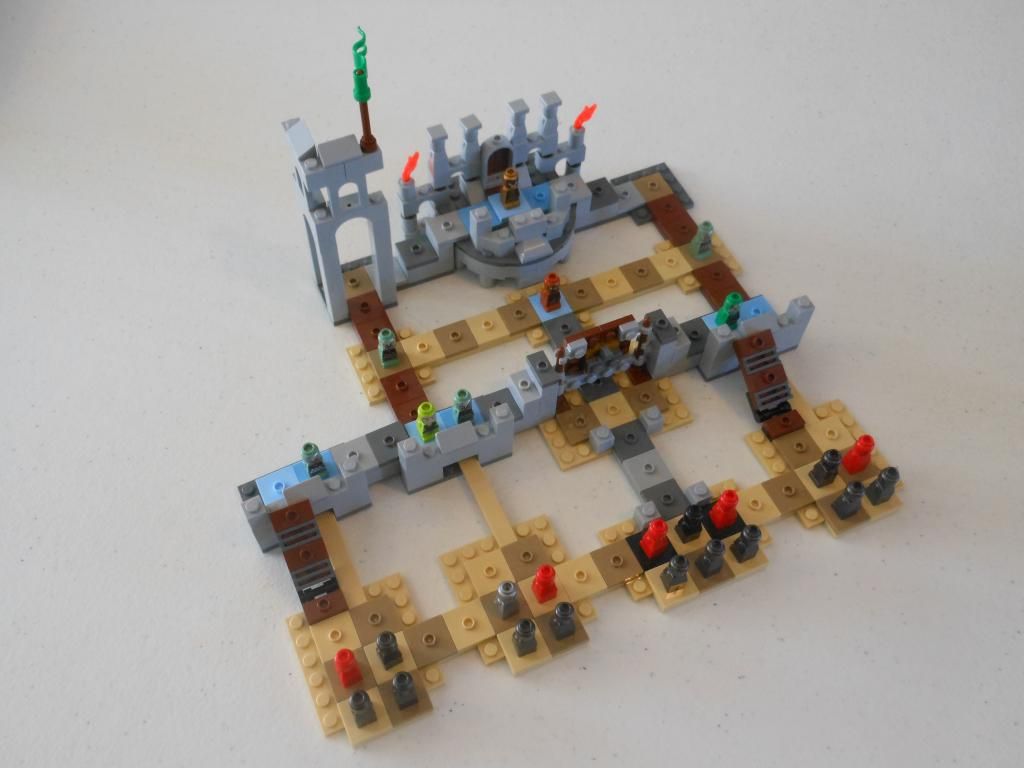
The Battle of Helm's Deep board game
I'd be lyin' if I said I didn't think that looked awesome.


One player gets a massive army of Uruk-hai with two leaders, and the other player gets a small selection of named heroes and Rohirrim footsoldiers. The named characters and leaders have four hit-points each and get special powers, and everyone else has only one hit point and can safely be classified as "meat shield." And I should note: these are microfigures, which are about one third the height of a LEGO minifigure.

The aim of the game is simple. The bad guys need to storm the walls, and then kill all the good guys or get one Uruk-hai piece to a specific space at the far end of the board. The good guys need to kill both of the enemy leaders.

Turns go quickly, and always start with the player rolling a custom dice. Two faces on the dice have The One Ring icon, two faces have three pips and a sword icon, and two faces have two pips and a skull icon, so there is basically a 33 percent chance of each result.
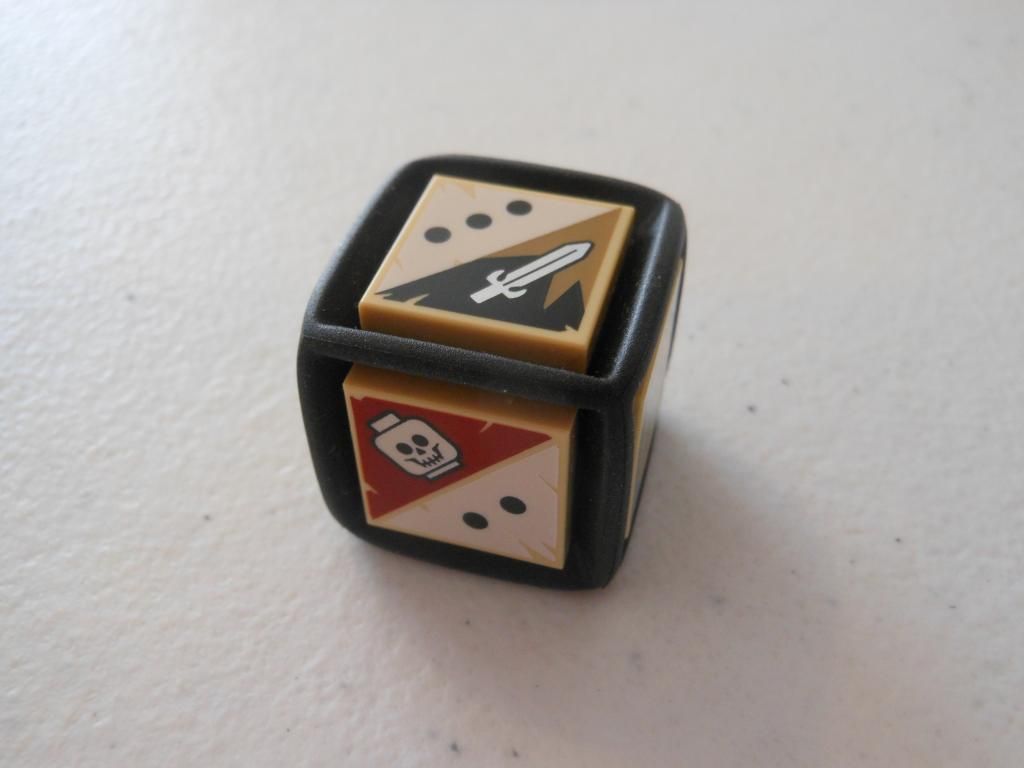

The Battle of Helm's Deep custom LEGO dice
LEGO  - probably the best custom dice in the world.


After rolling, the player selects one piece to move the number of pips on the dice, and can then make a standard attack with that same piece. If the ring shows up, the player gets to move one piece four spaces or use a special power.

Uruk-hai berserkers have the power to move two spaces and automatically inflict two wounds on an adjacent figure; the Uruk-hai archer gets to make a ranged attack (measured with a piece of string that pops onto the figure's head); and the Uruk-hai general gets to spawn new Uruk-hai soldiers to replace the ones that die.

For the forces of good, Aragorn and Gimli have the same power as the berserkers; Haldir and Legolas have the archer ability; and Eowyn and Théoden have the ability to heal any character for two hit points.
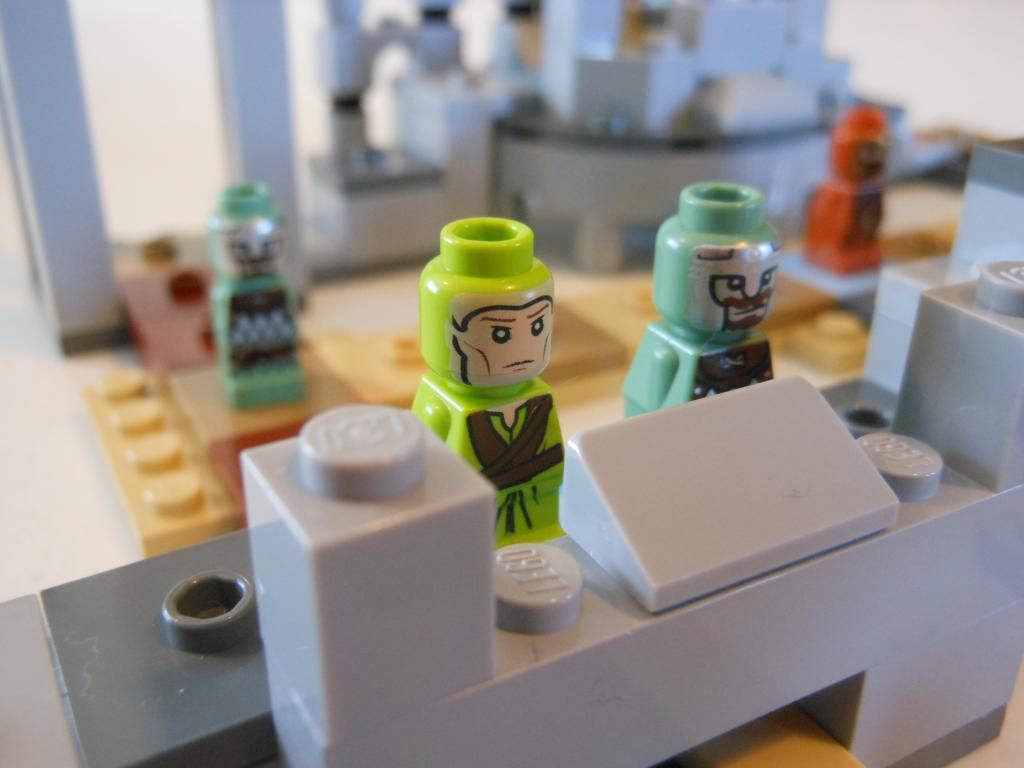
The Battle of Helm's Deep Legolas microfigure
Look! It's LEGOlas... See? It's so funny, I used it twice.


The Uruk-hai have weight of numbers on their side, and eventually they will surge over the walls of Helm's Deep (using siege ladders), or they will break open the main gates. Desperate fighting in the narrow streets ensues, and some games can get pretty tense. However, the ability of King Théoden to heal allies from range is incredibly powerful, and this does weight the game slightly in the favour of the forces of good.
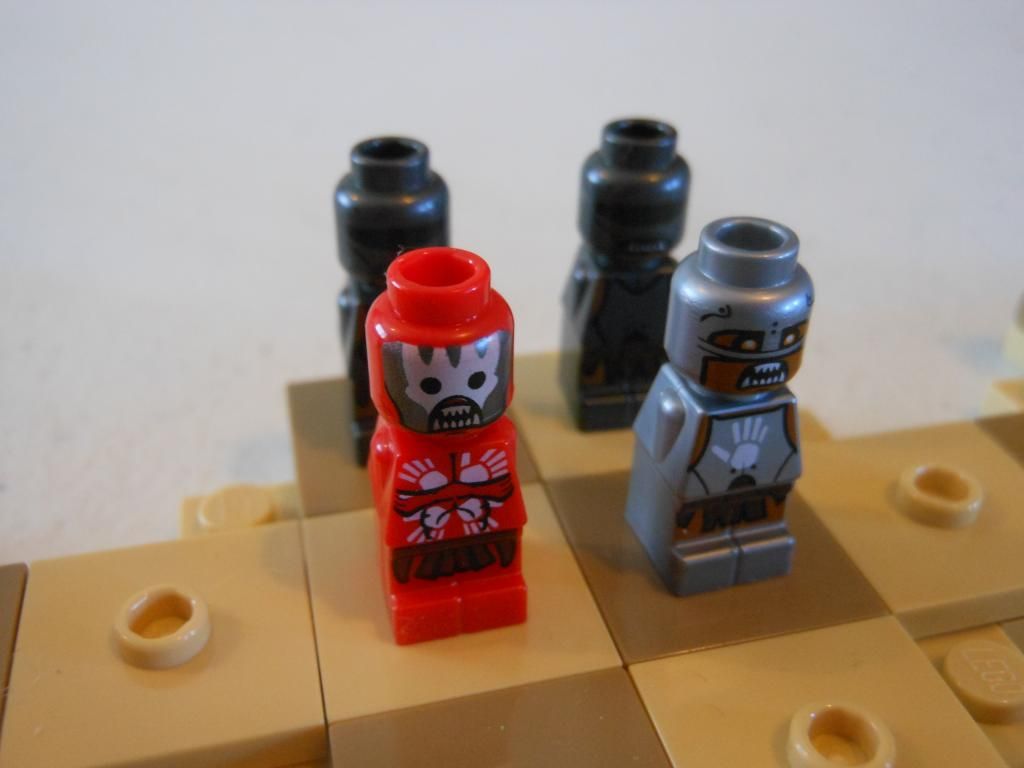

The Battle of Helm's Deep Uruk-hai
Uruk-hai warriors, a berserker, and the archer.


Of course, there is a lot of randomness involved. For a start, you can only move the number of spaces you roll on the dice, which is normally an awful rule but adds a bit of tactics and tension here. Furthermore, you only get to use a special power if you roll a ring symbol on the dice. However, the worst bit of the game is the rule for making a standard attack. To do this, you roll the same dice again, but this time, if you roll the ring you cause two wounds, if you roll a sword, you cause one wound, and if you roll a skull, you take one wound. In one game, I saw a player wipe out most of his own troops by rolling poorly on every attack, and that is frustrating.

That being said, players roll the dice often enough that luck tends to balance out; and the game only takes about 15 minutes to play, so it isn't like an epic two-hour slugfest gets determined by the single roll of the dice.

So yes, there is randomness. And yes, it is technically a "roll and move" game. But there are choices to make every turn too, and some interesting tactics. For example, when you move a piece and it finishes its move on top of another piece, it is allowed to hop forwards onto the next available empty space. This is a powerful manoeuvre for the Uruk-hai, who can move soldiers from the back of the army many spaces at a time by hopping along the heads of soldiers in front.

The game is light enough that I was able to teach it to my daughter (who likes to play the "goodies," obviously), and she is able to play with only limited guidance from me; yet I have also played against adult gamers.

I think the biggest disappointment is that there is no mechanism for simulating the arrival of Gandalf to save the day. It would have been nice to have some kind of countdown mechanism so the Uruk-hai had a certain number of turns to win before Gandalf arrived. Perhaps King Théoden's healing power could have been replaced with the ability to advance a game clock, and once the game clock reached ten, Gandalf arrived. Hmm... Maybe that's something I could think about.

But I digress.
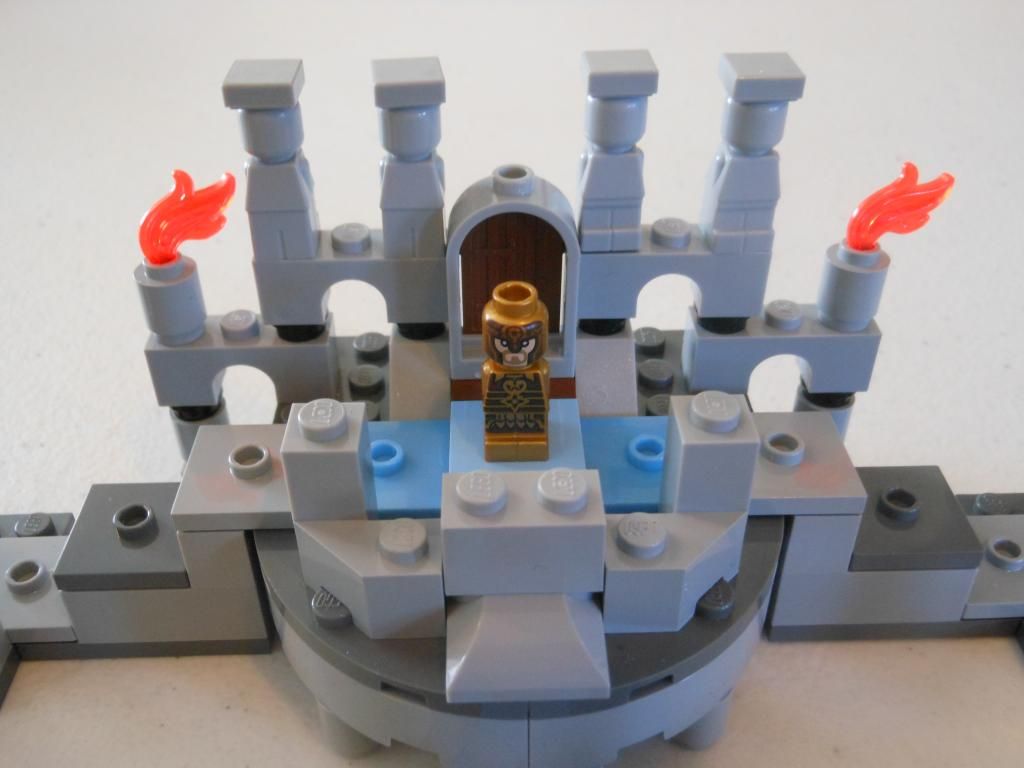

The Battle of Helm's Deep Theoden
King Théoden surveys his troops.


Now, you may or may not know this, but LEGO has decided to scrap the board game line. In fact, The Battle of Helm's Deep, along with a Chima game and a pretty cool Batman game, never made it into mass-distribution as far as I can tell. As a result, these games are pretty hard to get outside of the UK. And that's a real shame, because it really feels like LEGO was just hitting its stride. These latest games are huge improvements over their early efforts, but it was clearly too late in the day.

So, I intend to keep The Battle of Helm's Deep. It is a light game I can play with my daughter, but which still offers a few interesting choices. And it is an example of what LEGO could have achieved if they had hit the ground running with the board game line.

And yes, my mum still says, "Aren't you too old to be playing with LEGO?"

The difference is now I know the answer.

No.

No, I'm not. And neither is anybody else.

Friday, 25 July 2014

Review - oddball Aeronauts

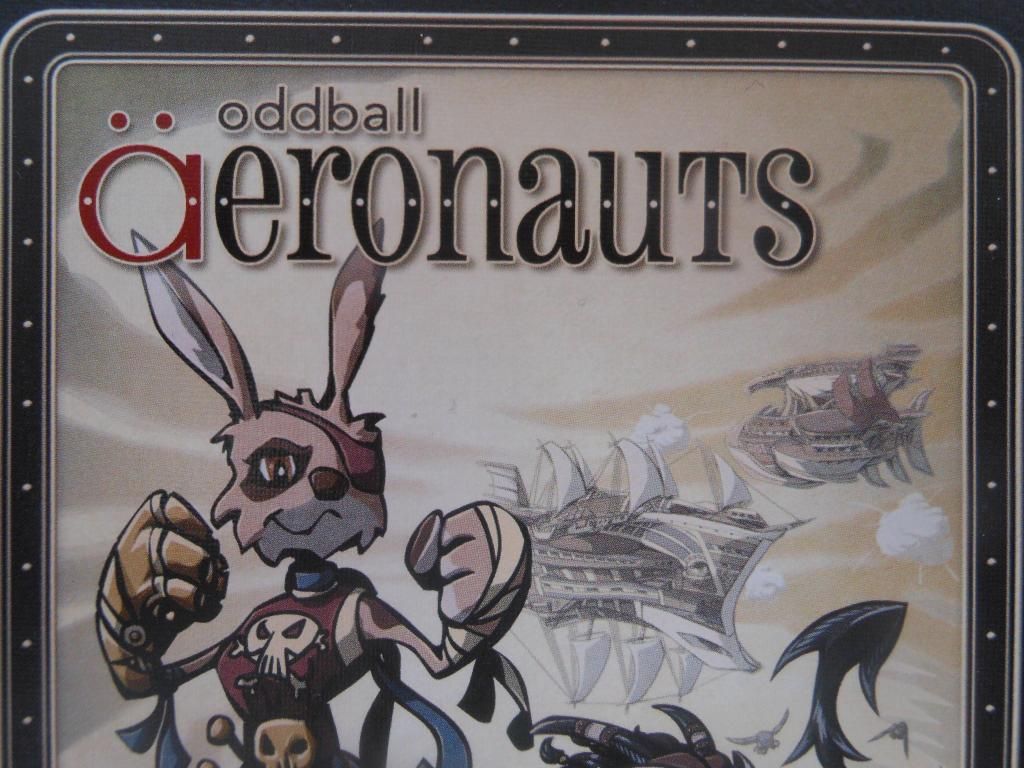
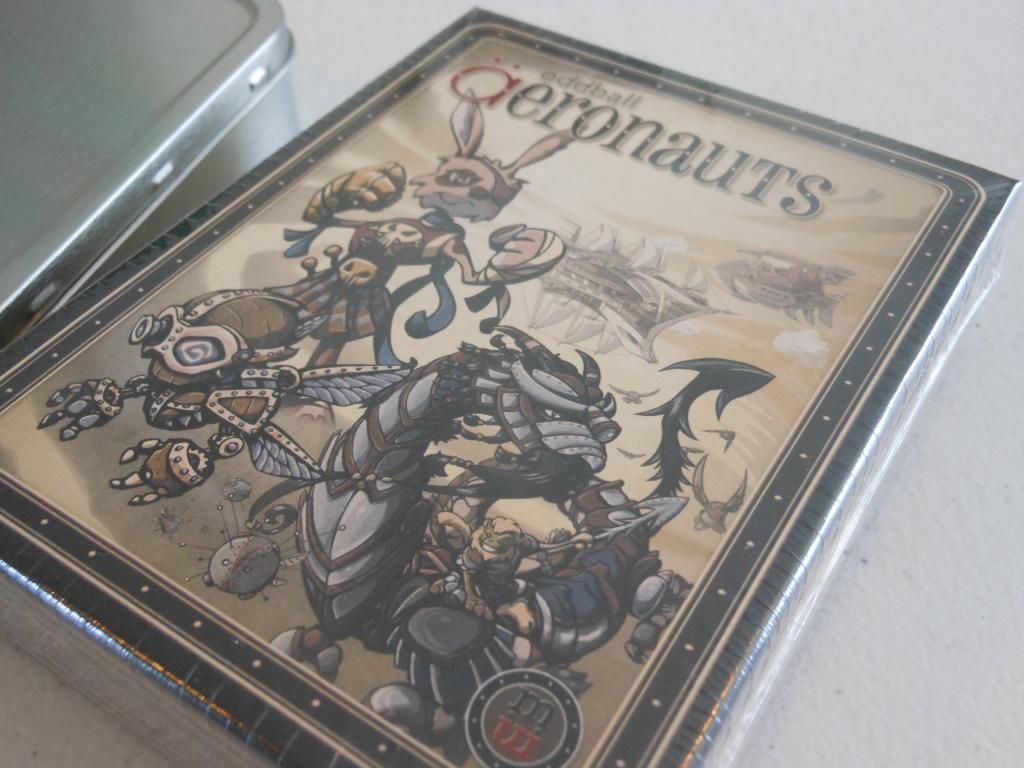
oddball aeronauts


oddball Aeronauts
Designed by Nigel Pyne
Published by maverick muse
For 2 players, aged 9 to adult


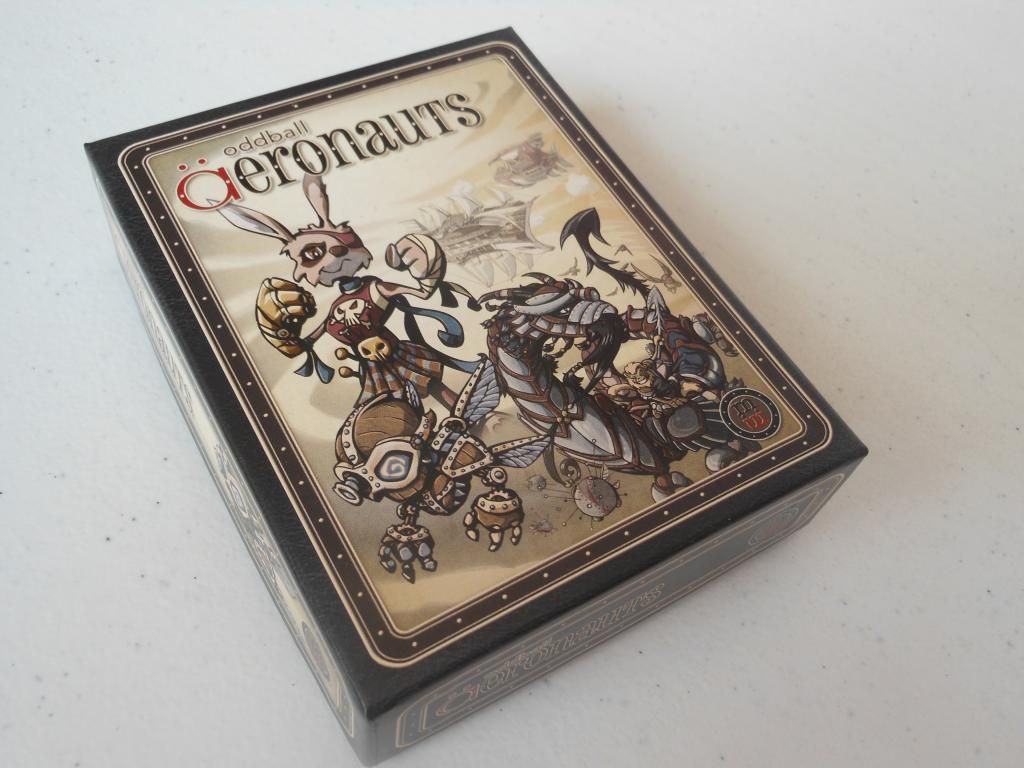
oddball aeronauts game
Beautiful box, beautiful art.


Hey, you! Yeah, you... The guy with the cool game launching on Kickstarter. Your game looks fantastic. I love the artwork. The theme is great. The concept seems decent. Over 100 zombie miniatures! Woo hoo. Where do I sign?

Actually, hold on a  minute... Just wait... Can you do me a favour first? You see your rulebook? Yeah, that one. Do me a favour... burn it. Because it's junk. Tear it up, and start again, because you need to.

What do you mean, "how do I know?"

Just a lucky guess...

Okay, okay, hands up. I'm being a little unfair here. I only have limited experience with Kickstarter, and I know there are many campaigns that produce exceptional games with excellent rulebooks. But for the campaigns I have followed, poor rulebooks seem to be a recurring theme. I guess a lot of companies do not employ a technical editor, or fail to run the rules by enough playtesters first. It's a real shame, because sometimes a bad rulebook can really hurt a game.

For example, I backed Dark Darker Darkest, and I love it. Unfortunately, there was not enough attention to detail with the rules, and while they were by no means terrible, they did end up getting rewritten by the designer, with some assistance from me and a group of very cool users from the BoardGameGeek community.

For example, I backed Myth... I think I'll leave that one there.

For example, I nearly backed Fallen City of Karez. (Breathes sigh of relief.)

For example, I backed oddball Aeronauts...

For those of you who don't know, oddball Aeronauts is a two-player card game with an interesting little twist: You do not need a table or playing surface of any kind. When I saw the game on Kickstarter, I was immediately enamoured by the concept of a light, two-player game that I could play sitting on the couch with my wife in the evening, without having to roll out the gaming table. That image fixed in my mind, and was ultimately why I backed. The fact the game has absolutely gorgeous artwork was a nice bonus.

Indeed, when the game arrived, I was very impressed with the overall presentation; although I was disappointed to discover there was a considerable colour difference between cards, with some having white frames, and some having cream frames.

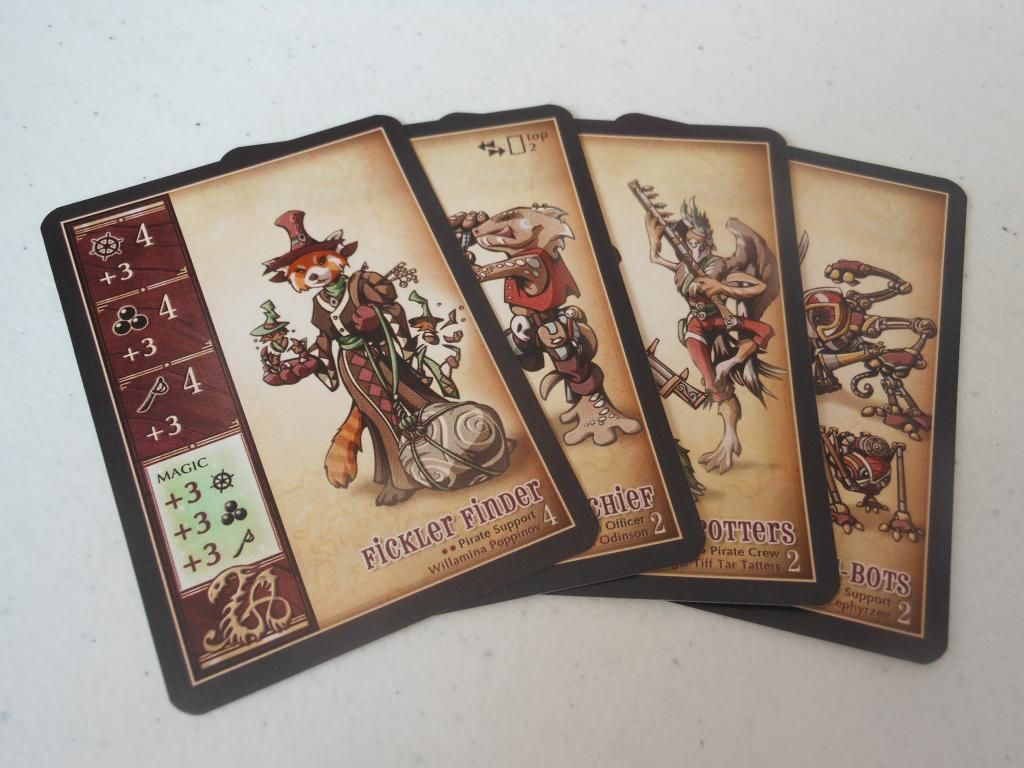
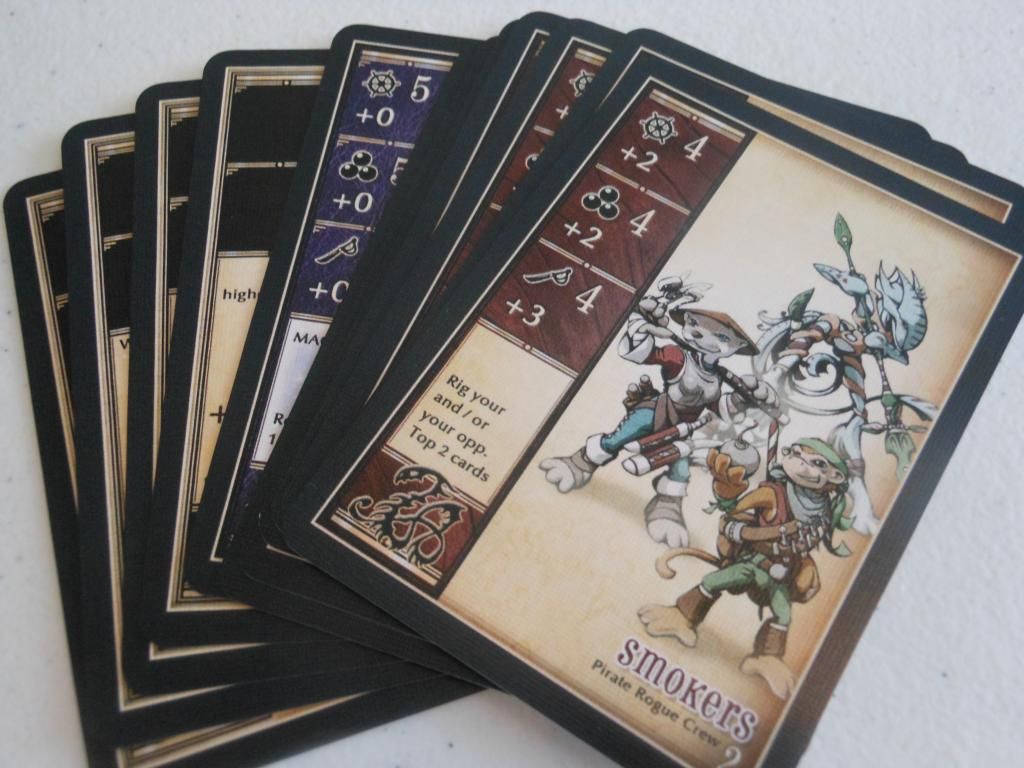
oddball aeronauts cards
The cards are stunning.


The game actually seemed pretty solid too. Each player has a hand of cards, representing the crew of a fantastical ship. Each turn, the players pick a combat skill (steering, guns, or boarding) to attack with, and then they select one, two, or three of their top cards to commit to the fight. The top card has a primary value in the selected ability, and the other cards provide a secondary bonus value. The players reveal their totals, and the highest score wins.

Most cards also have a special trick (which is a bad choice of word for a card game, where "trick" normally means a round of play). On each turn, players may play one trick, which in most cases is the trick on their top card. These tricks may add extra bonuses, or hinder an opponent in some way; but I'll talk more about them in a while.

Once the players have determined a winner for the round, something happens based on which type of combat ability the winner used. First, both players discard all the cards they played. They do this by turning the cards upside down and placing them at the bottom of their decks. If the winner used steering, he or she may immediately search down the deck for the first two face down cards, and then recover them by turning them face up again. If the winner used guns, the loser has to discard an additional two cards. If the winner used boarding, the winner recovers one card, and the loser discards one extra card.

If, at any point, a player's entire deck is face down, that player loses.

So, that all sounds a little bit like Top Trumps with some extra rules tagged on, right? Sure it does, but I promise you, this is one of those games that is greater than the sum of its parts, and it really doesn't play anything like Top Trumps. In fact, there is a surprising amount of strategy packed into this little game.

A little bit too much, really.

While the basic concept is pick a combat skill, select a number of cards from one to three, and then compare results, there are a lot of other rules that feed into that basic framework and create a startling number of tactical options.

The most obvious thing is the tricks, especially the ones that allow you to reorder the cards in your deck. However, perhaps even more interesting is the way in which the combats play out. For example, you may have a strong hand to win using the steering skill, allowing you to recover two cards; but you know your opponent only has a few cards left, so you really want to attack with guns to force extra discards.

And then there is determining how many cards to play. Is it really worth playing three cards when you use the steering option? You have to discard all the cards you play, and then you would only get to recover two.

Between the use of tricks, the use of special magic tricks that you can use even if they are not on the top of the deck, the decision of how many cards to play (and which ones), the decision of which combat skill to use, and the inclusion of special events that trigger if they turn up in the top three cards of a player's deck, it can all be a bit... overwhelming. You may actually end up looking at the top five or six cards in your deck, working out different permutations, and what would happen based on different outcomes in the current round.

For a light filler game, there is a surprising risk of analysis paralysis setting in, and what should be a quick five-minute game may run a lot longer than that.

It's like Top Trumps and Chess had a baby.

Now, normally I am not one to complain about having too many options; but I'm making an exception for oddball Aeronauts, because I think it is indicative of my main problem with the game: It really doesn't know what it wants to be.

It dresses up like a quick 15-minute War-like game that you can break out with casual gamers in a bus queue; but it is actually a pretty meaty game, with a surprising number of special powers, and unusual combinations. And it comes with a "first player" token. If I'm supposed to play this game in the hand without a table, where do I put this token, exactly?

oddball aeronauts first player token
WHY???


There are even deck-building rules, so you can construct your own personal decks. I have no idea what benefit there is to deck construction. It seems like a lot of effort; and does swapping a card that gives you +1 steering and +2 guns with a card that gives you +2 steering and +1 guns really make a difference? How would you even know in advance which of those cards is the better one to take, when the game is more about tactics than strategy?

I have introduced this game to three different people now, and they have all said the same thing: It's a cool idea, and the way it plays in the hand is nifty (especially discarding cards upside down at the bottom of the deck), but there is a lot of "bloat" and "cludginess" that could have been excised for a smoother game experience.

Ultimately, I think this game has suffered for going through the Kickstarter process. I know, I know... If it wasn't for Kickstarter, this game may never have existed. But, by going through Kickstarter, it seems like there was no-one to step in and say, "You know, you can probably remove that element of the game, or simplify it a bit."

Here's an example of just one of the tricks on one of the cards to illustrate the point:

DEF +4 [boarding] vs [steering][guns]

Now, what that power means is, if you play boarding, and your opponent plays steering or guns, and you have the lowest total score (therefore losing the round), you get to add +4 to your result, and if that means your score is now higher, the result of the round is a draw.

That is a very specific combination of events required in order to trigger the trick, and the result if it does trigger seems a bit strange. It seems complicated for the sake of it. And almost every card has a different trick, a good chunk of which come into effect on the following round, if a certain condition is met in the current round. There are even tricks that you can only use if you happen to be the first player at the time.

And then there are the rules... You didn't think I'd forgotten about the rules, did you?

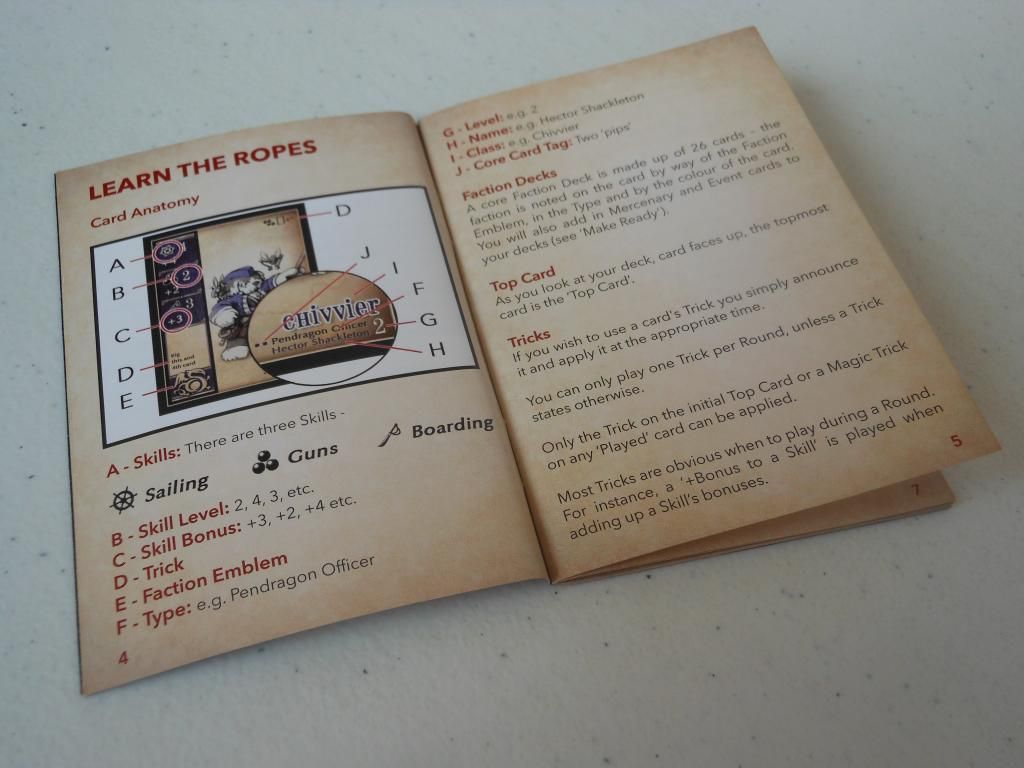
oddball aeronauts rules
Rules - they ain't so hot.


For a game that, at its core, is so simple, the rules are terrible. They are in no particularly coherent order, they are poorly worded, and at one point, rather than explaining when a player should play tricks, it just says, "most tricks are obvious when to play during a round." Rulebooks should never assume players are clever enough to figure out that sort of thing without a clear explanation, because one of the players might be me.

Oh, and there isn't a single example of play in the rulebook, although there are several pages on deck-building, several pages of fluff, and some stuff about future faction pack expansions.

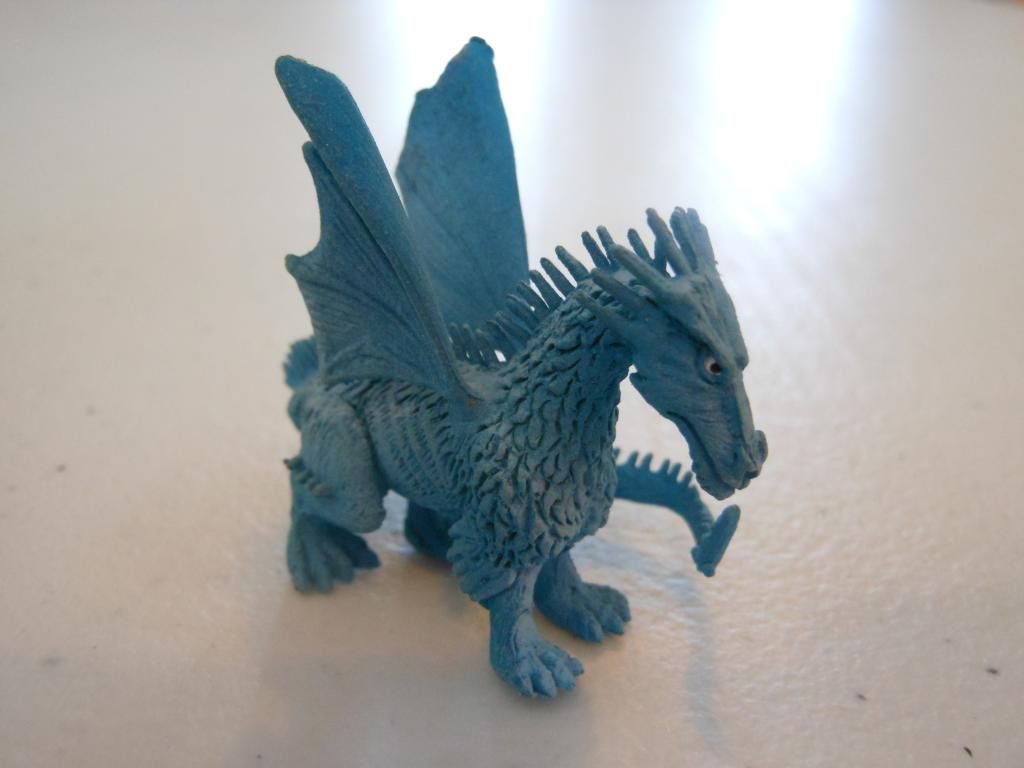
oddball aeronauts dragon
Everyone loves dragons, right?


For the first few days with the game, I had to study the cards carefully, constantly referencing the rulebook; and I had to ask multiple questions on BoardGameGeek (which the designer and other helpful people were good enough to answer). It certainly wasn't what I expected from a light game.

And I guess that sums up my review: oddball Aeronauts was not what I expected.

Often, while I am playing, I notice I have started to think too hard about my next play. When this happens, I force myself to make a snap decision; because in my heart I know this is a light filler game that you shouldn't be thinking about too carefully. But my head strongly disagrees.

It is not a bad game. Far from it. It is an incredibly clever game, with a surprising depth of tactical options; and I think a lot of people are going to enjoy it. But it just isn't as lean as I wanted it to be. It needed someone to come in and trim off some of the fat. It needed just a little bit more finesse.

The game is certainly and oddball, and well worth checking out; but I do not think these aeronauts reach the lofty heights of their potential.

Tuesday, 22 July 2014

Review - Dragonology: The Game

Dragonology


Dragonology
Published by Paul Lamond Games
Designed by Anne Nonimous
For 2-6 players, aged 8 to adult

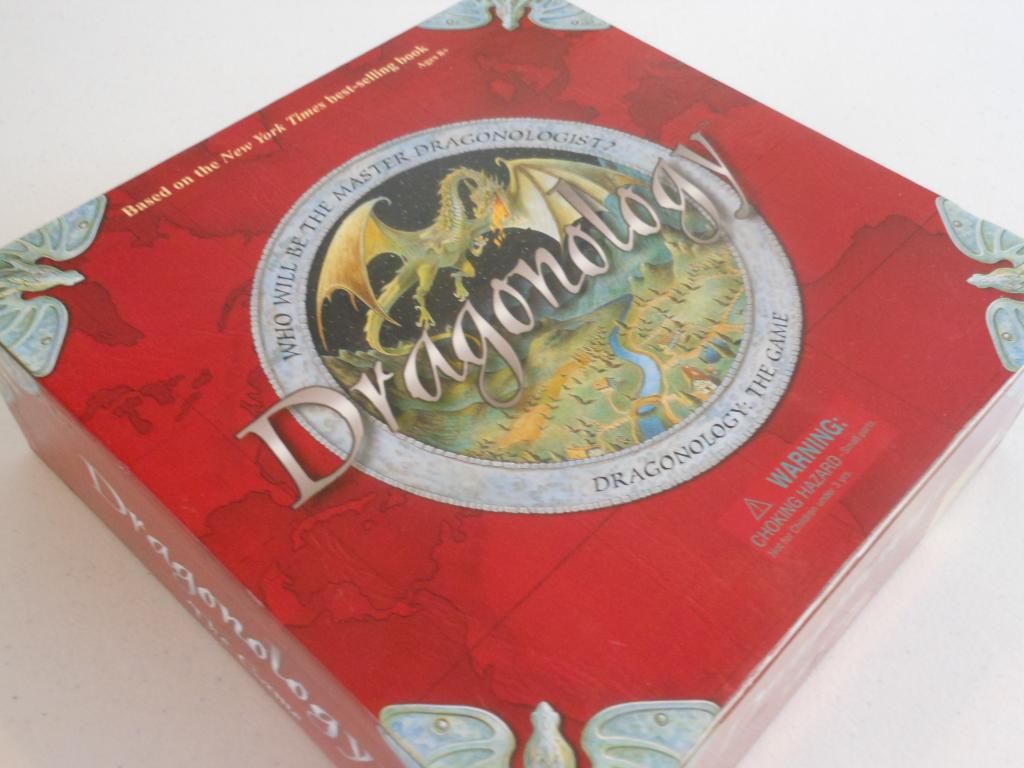
Dragonology game box
Pretty, pretty box.


Anyone who knows me, and knows what I do for a living, is aware that I am a huge fan of mythology. I love Greek mythology, and anything involving werewolves and vampires (not the sparkly kind) is going to catch my interest; but if I had to pick one type of mythological creature that I love more than any other, it would be dragons.

Why am I telling you all this? Because it should help to explain why I went out of my way to pick up a copy of Dragonology: The Game.

Way back in the mists of time, when my wife was still my girlfriend, I purchased her a copy of the Dragonology book. It is a very special book, full of humour and magic. My wife loves it, I love it, and my daughter (who is rapidly approaching her fourth birthday) loves it too. It was only natural that I wanted to see what a game based on that book was all about.

Of course (rather depressingly), it is about rolling dice.

And moving.

Okay, to be fair, I knew it was a roll and move game before I purchased it; but it has an enjoyable theme, and the box is packed with cool plastic dragon pieces, so I thought it was worth a look. Unfortunately, those lovely pieces are the epitome of what is wrong with this game: It is all style, at the expense of function and fun.


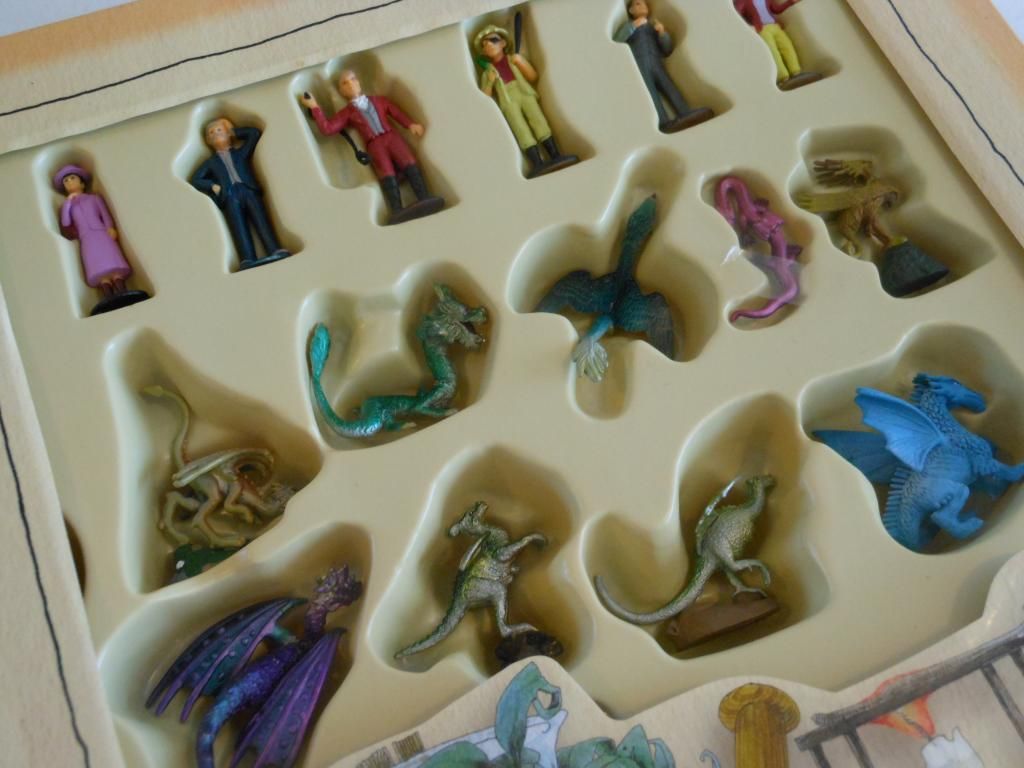
Dragonology playing pieces
The playing pieces.


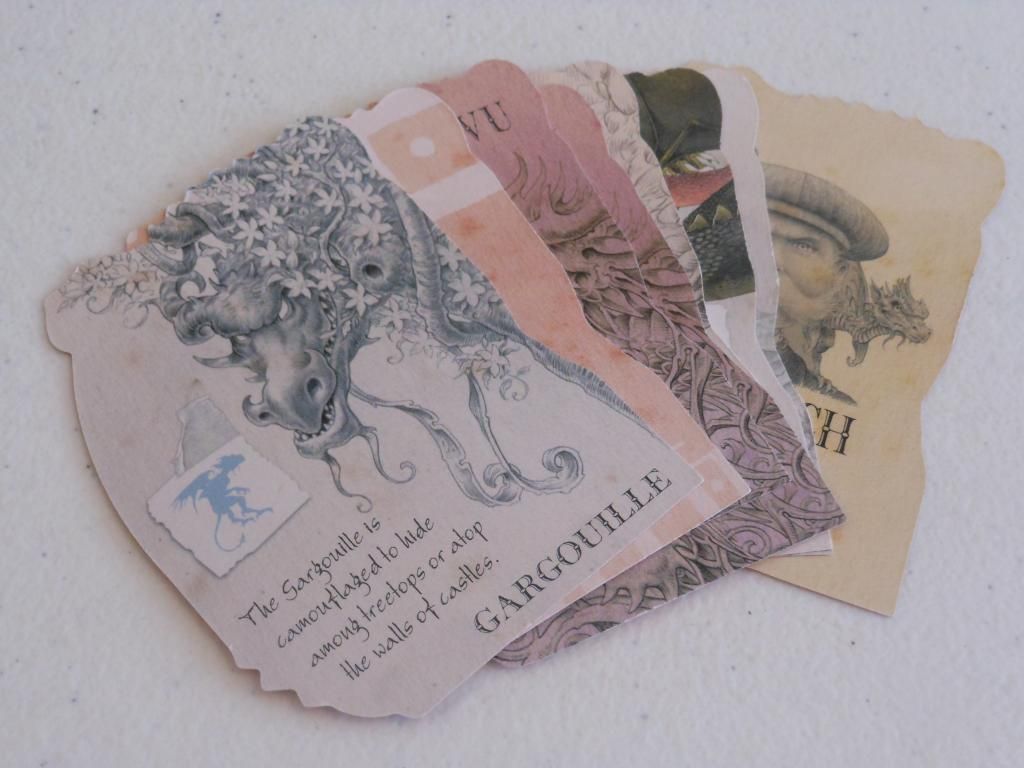
The problem is immediately apparent as soon as you open the box. For a start, the cards are shaped like dragons. Seriously. Have you ever tried to shuffle a dragon? It isn't easy. And they really don't like it.

And then there are those playing pieces, representing the characters that are jet-setting around the world looking for dragons, and the dragons themselves. They look fantastic, but most of them don't stand up due to the stupidly small bases. Of course, the bases have to be stupidly small because of the stupidly small spaces on the (rather beautifully illustrated) board.

But at the end of the day, it is the game that is important, right? As long as the game is good, you can overlook the frustration of constantly picking up the pieces, or the annoyance of trying to shuffle cards that seem to be designed specifically to prevent you from doing so.

Of course, the game isn't good.

The aim is simple. You move around the map (usually by rolling a dice), trying to land on spaces that give you the option to draw one of those stupid dragon cards. These cards are called, rather unimaginatively, "Bit of Knowledge" cards. They are called this because they contain bits of... Yeah, okay, I think you can figure it out.

Some cards have your standard "take that" spells that allow you to screw other players by stealing their cards, or even stealing their dragons, while other cards allow you to take extra turns, or defend yourself. However, most of the cards contain a bit of a description about a specific kind of dragon. If you ever have three cards from a set, and you land on the "home" space for the related dragon, you can claim that dragon as your own. If you successfully collect three dragons, and then land on the "dragon's eye" space on the board, you win the game.


Dragonology cards
Stupid-shaped cards


In theory, it doesn't sound so bad. It's just set collection, with a bit of "take that" and dice rolling.

In practice, it is an agonisingly long exercise in tedium.

The biggest problem is that movement is primarily by dice rolling, and you always have to move exactly the number of spaces rolled. This results in that classic, laugh-inducing situation where a player is desperately trying to land on a dragon space in order to claim a dragon, but keeps rolling the wrong number. Now, everyone knows how annoying that is when you are rolling a six-sided dice. Well... Now imagine that with a 12-sided dice.

That sounds fun, right?

Okay, to be fair, the game tries to do several things to mitigate the dice-rolling. First of all, one face on the dice is a dragon's eye logo, which allows you to teleport to any dragon space you want. Additionally, certain spaces on the board allow players to take a transportation ticket card. Players use these to move by air, sea, or road, without using the dice.

Even so, most of the time, movement is going to come down to dice rolling; and the possibility of having to move up to 12 spaces out of your way means that landing on anything you specifically want to land on is a real chore.

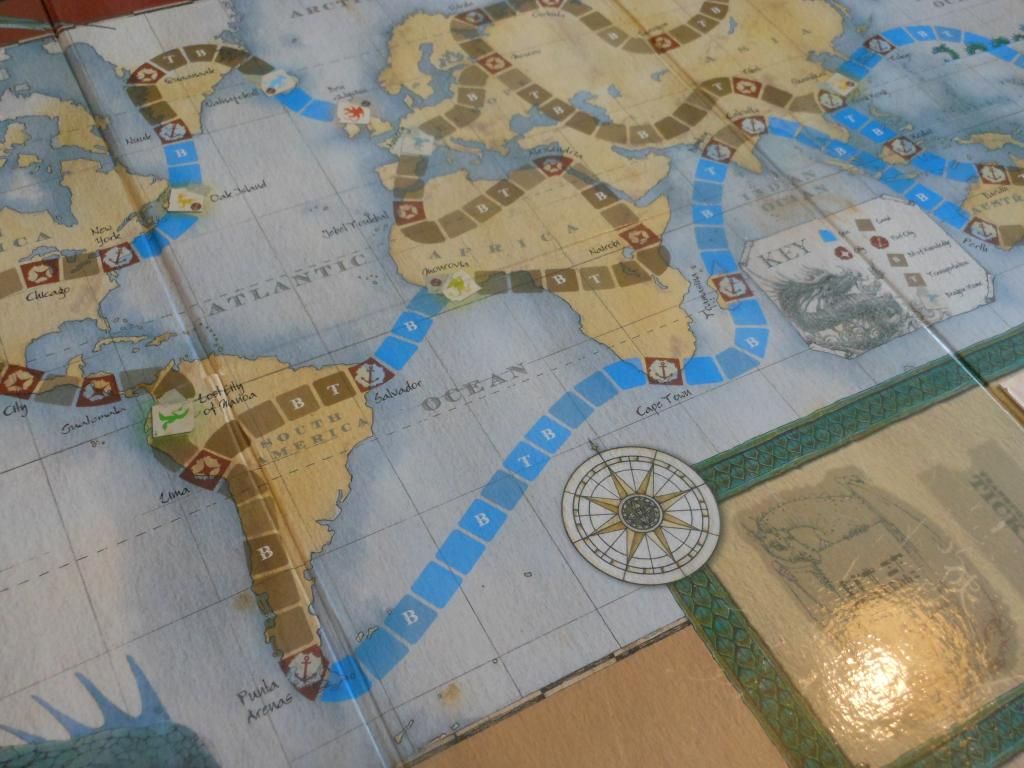
Things are made even worse thanks to the layout of the board. In most cases, a player will end up with a choice of three or four routes, so every turn comprises  rolling the dice, and then painstakingly counting the number of spaces along multiple routes to determine the best space to land on.


Dragonology board
Choices. So many choices...


And then there is my favourite thing in any game ever: Blank spaces. There is nothing better than rolling the dice, checking all your possible routes, and then realising you are going to end up on a space that allows you to do... absolutely nothing.

And finally, as if it wasn't already tedious enough trying to win the game, there are the "take that" cards. There are 81 cards in the deck, and 36 of them are special cards. Of those special cards, there are 10 cards that allow you to take cards from other players, and two "master claw" cards that allow you to take one of their dragons. The real kicker? The "master claw" cards cannot be blocked by any of the "shield" cards in the deck, so that hard-won dragon you have in your possession is getting taken away, and there is absolutely nothing you can do about it.

That sounds fun, right?

The sum total of rolling the dice, counting all the spaces, gradually accumulating the cards you need, claiming dragons, then losing dragons, and then trying to get to the "dragon's eye" space to win, takes almost forever. The nightmares will last even longer.

Really, this game just wasn't well thought-out. The board needs a complete redesign, with less spaces, for a start. I would also go for rolling two six-sided dice and then having the choice of using one value, or adding the two values together. But honestly, the game isn't worth tinkering with. I bought my copy for a couple of quid in a charity shop, and I think that might have been just about worth it for the dragon pieces. Other than that, there is nothing to see here.


Dragonology dragon piece
So pretty.


Anyone reading this is probably thinking, "What did you expect from a children's game that was churned out to the mass-market to take advantage of a related book's status as a New York Times Bestseller?"

The answer is simple: I wasn't expecting much at all.

But it's always nice to be surprised sometimes, isn't it?

Unless, of course, that surprise is someone playing an unblockable "master claw" card when you are one space away from winning the game.

Thursday, 3 July 2014

The oddballs Have Landed...

The other day I heard the postman desperately attempting to jam a package through my letterbox. I wasn't expecting anything, so it was quite exciting as I opened the package to see what it was. Turns out it was oddball Aeronauts, a little card game that I backed on Kickstarter a while back and then pretty much forgot about. A nice surprise.

oddball Aeronauts


Excitedly, I opened the box to check out what my money had bought. My impressions were mixed, which seems to be a running theme with games I Kickstart.

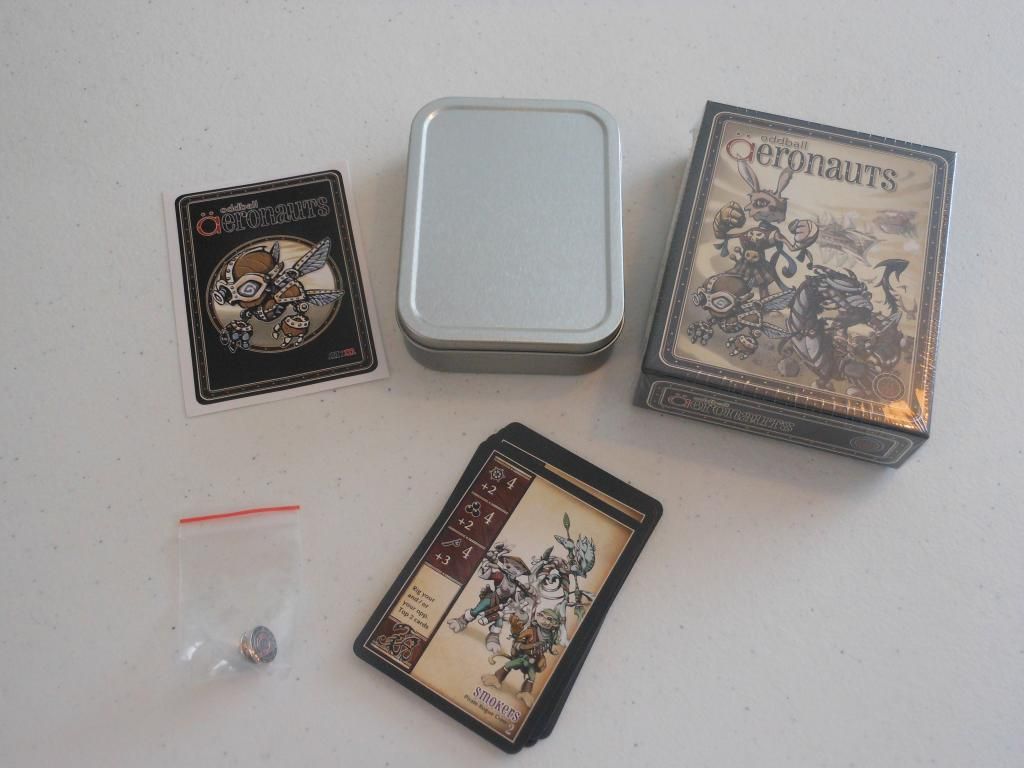
First of all, the box for the game is stunning. It is sturdy and compact, and the artwork is lovely. That artwork continues onto the cards, which have a clean design and look amazing. There was also a very attractive enamel pin, which was one of the Kickstarter stretch goals. I wouldn't ever wear it, and it is quite small; but it looks really good.

Unfortunately, I was not so impressed by anything else, and there were some missed opportunities to make things really shine.

The game includes a "first player" token, which is simply a wooden disc. Why there wasn't a stretch goal for a sticker to put on one side is beyond me. It would have made the token something that you could flip, and would have looked more attractive.

The tin that was available as a stretch goal was also a bit of a fail. I was never particularly excited about the tin anyway, but considering it is not big enough to fit all the cards, it is almost entirely pointless. In addition, it wasn't a printed tin; it came with a sticker to apply by hand. That would be fine if the sticker was the right size and shape.

oddball Aeronauts game contents


Finally, I found the rules to be poorly written. There isn't a single example of play to go through, hardly any diagrams, and several sections where I simply could not work out how to play. For a simple two-player card game, that isn't great.

However, the game itself does look like a lot of fun, and the cards truly are beautiful. As it stands at the moment, despite how negative I sound, I am glad I backed the game. Additionally, this game turned up early, complete, and with no manufacturing defects. That right there makes it one of the best Kickstarter games ever.

oddball Aeronauts cards


Once I have played a few times, I will post a review.

Monday, 30 June 2014

Review - Winter Tales

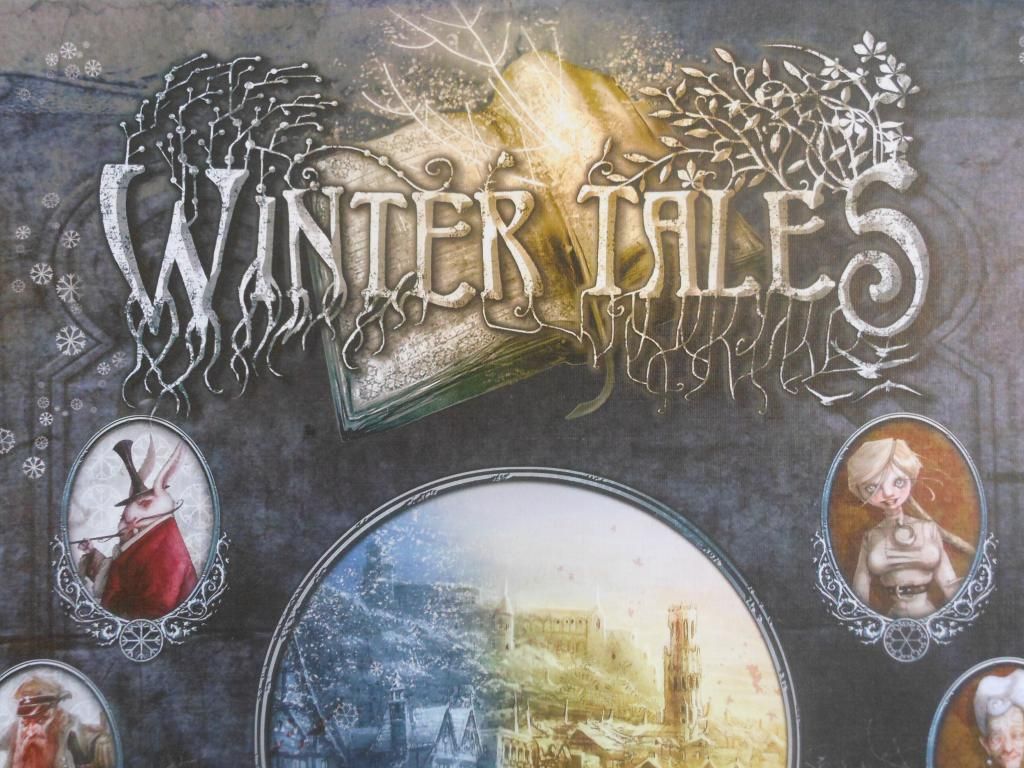
Winter Tales


Winter Tales
Published by Albe Pavo
Designed by Jocularis and Matteo Santus
For 3 - 7 players, aged 10 to adult

Gather around Children. It is time for a story.


But this is no ordinary story. This is a story of your own creation, powered by the gears of your imagination.


Unfold the board, choose whether to be part of the valiant Spring rebels or the oppressive Winter regime, and select your characters. Your story starts here.


But in which direction will the story go?


And that's Winter Tales.

Winter Tales box
I want to frame this box and hang it on the wall.


Still with me?

Okay, this may not be the normal way to start a review, but this is not a normal gameBecause this is not a game about rules, although there are rules. This is a game about imagination and creativity. This is a storytelling game.

It is also one of the finest ways to spend a few hours with your friends.

Assuming you have the right friends.

Now, before I go any further, here is the full disclosure: I have only played Winter Tales once. I wouldn't normally write a review after one play, but in this case I am making an exception, because one play is all you need to fully understand the mechanisms of the game and to appreciate whether this is the sort of game you will like. And trust me, there will be many people who do not like this game.

The basic premise is simple: Following the war of Autumn, the soldiers of Winter (characters such as the Big Bad Wolf and Snow White) rule the realm through fear, while a small band of Spring rebels (including Pinocchio and Dorothy) strive to fight back. It is a beautiful and bleak storytelling world, with some of the most stunning artwork you will see in a board game. It conjures images of Tim Burton's Nightmare Before Christmas and The Melancholy Death of Oyster Boy. It instantly fires the imagination from the moment you unfold the board.

Gameplay is exceptionally easy, hinging on a very simple concept: The story is key.

This is not a game about winning and losing, although there are winners and losers. This is not a game about destroying your opponent, although opponents will be destroyed. This is a game about taking characters on adventures, and seeing where they all end up. If, at the end of the game, you have told a fun story, figuring out who has actually won is almost irrelevant.

But here I am talking about the end of the story, when I haven't even told you how the story begins.

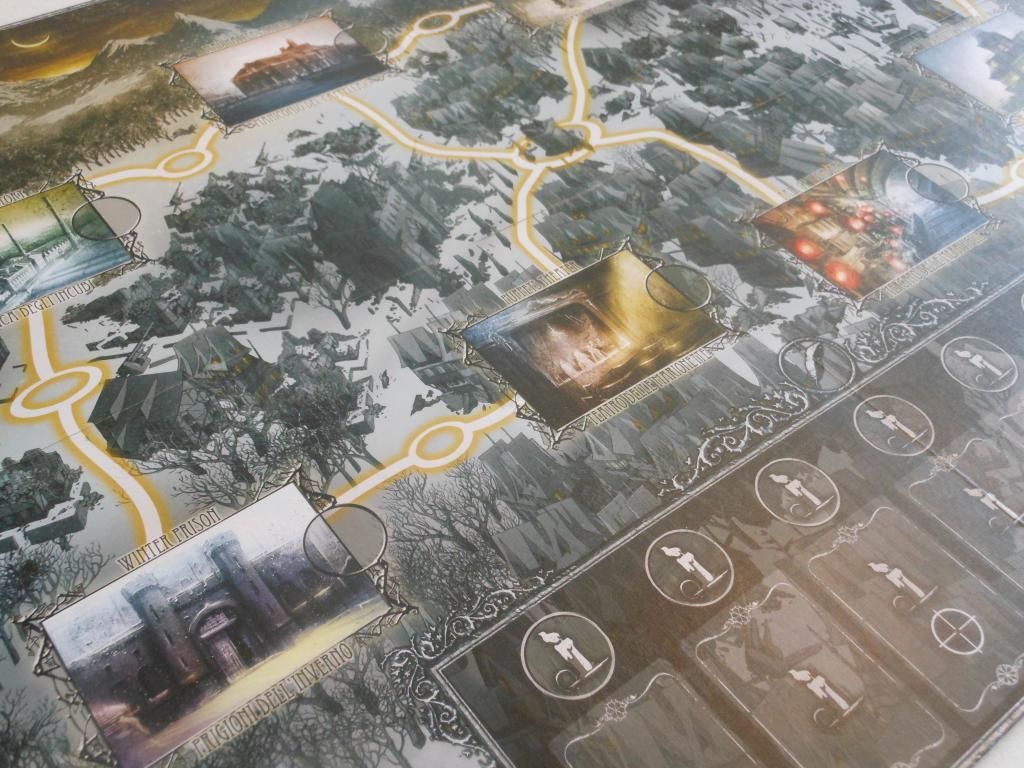
Winter Tales board
I want to frame this board and hang it on the wall.


The main aim of the warring factions is to complete quests, and those quests are completed through telling stories.

And those stories are told through playing cards.

Simply put, if you want to do something, you need to play a card; and if you want to play a card, you have to give a valid, logical reason why that card is part of the story you are telling.

Want to move to a location? Then play a card, and explain how the abstract image on that card represents your journey.

What to complete a quest? Play a series of cards, developing a story that involves the concepts depicted on those cards.

Want to fight another character? You guessed it. Cards.

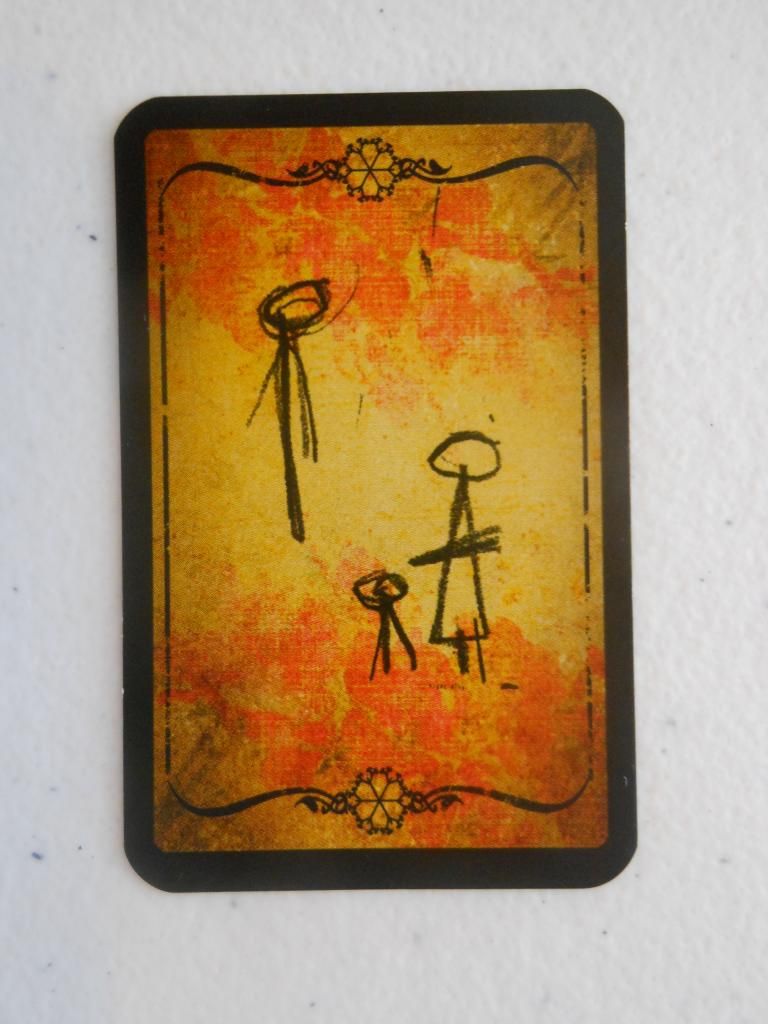
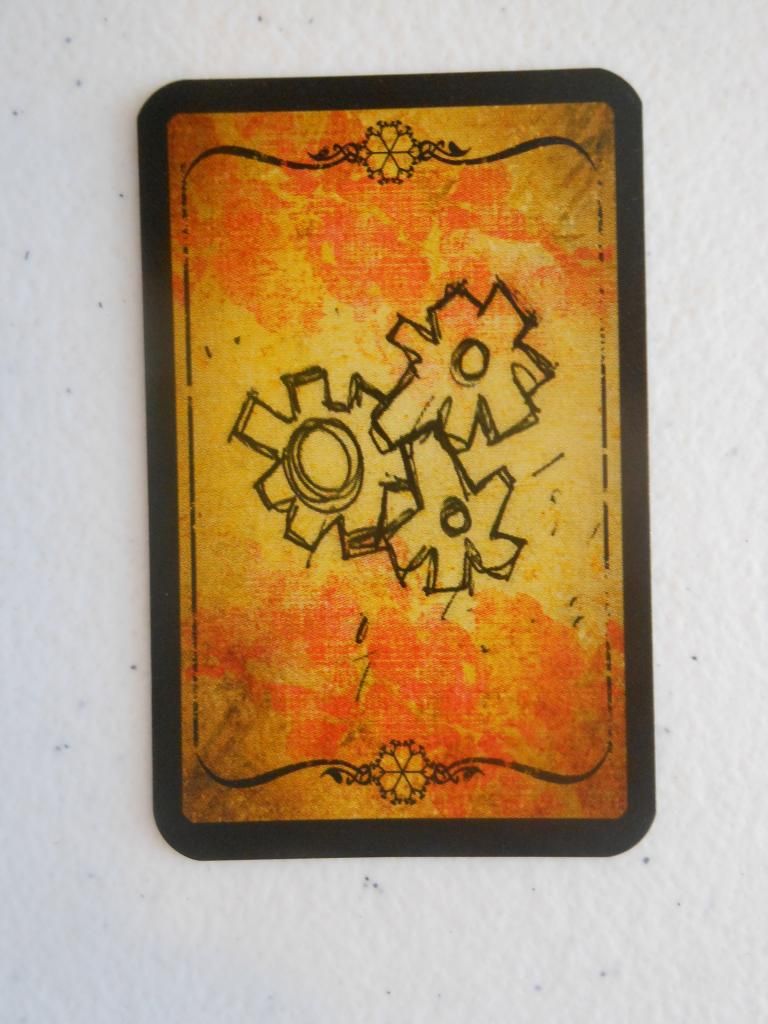
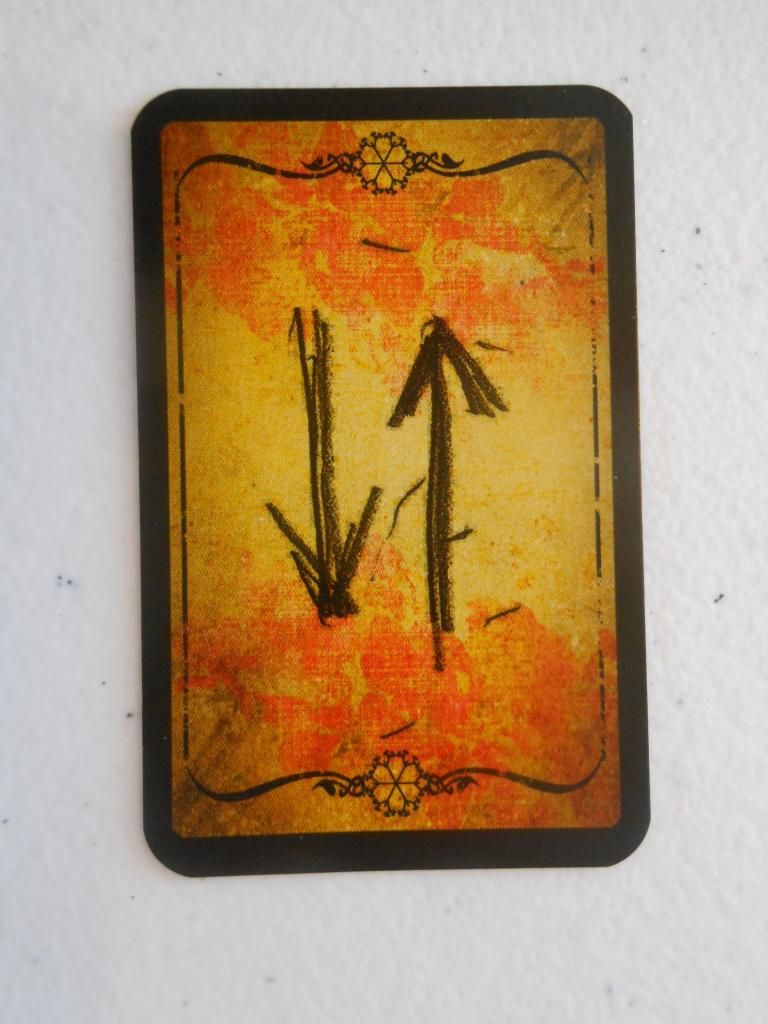
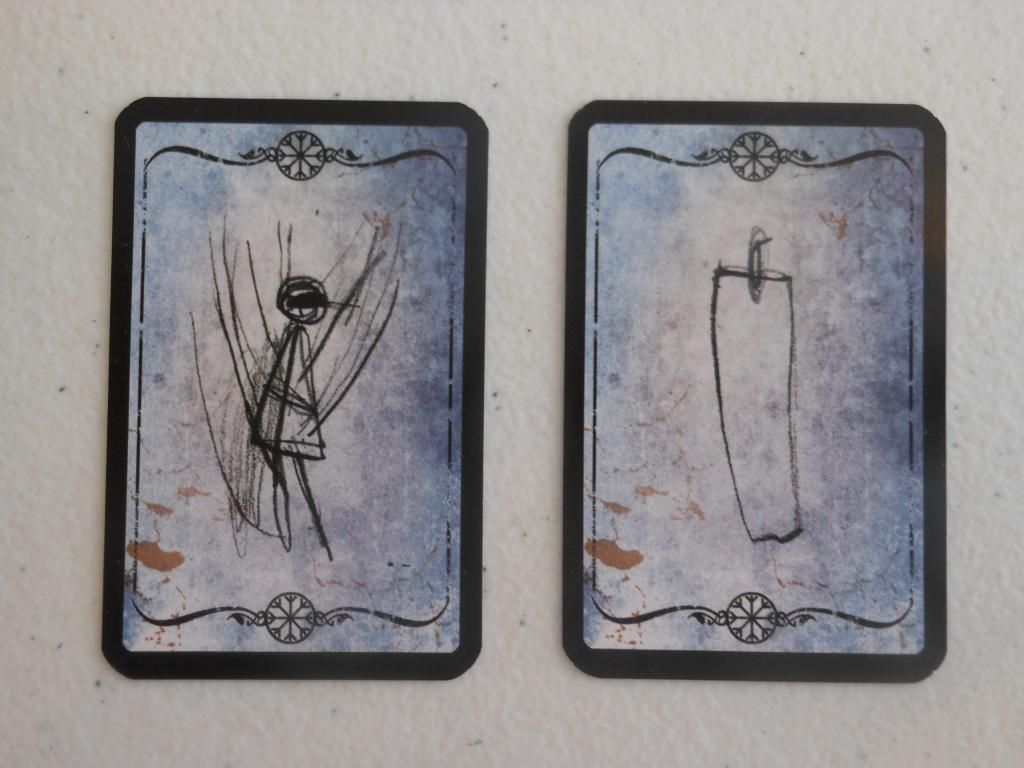
It is a beautiful concept, made more beautiful by the cards in question: Childish scrawls that players are going to interpret in different ways.

For example, I had a card with a picture on it that looked a bit like a tooth. So, when I activated Pinocchio, I said, "Pinocchio ventured out into the dark night. He moved silently, but felt sure he would be spotted. Waiting in the shadows at each street corner for a cry from the Winter Soldiers was as agonising as having teeth pulled, but eventually he reached his destination."

Where it gets really interesting is when characters attempt quests, because then other characters have the chance to get involved in an attempt to swerve the outcome of the story in their favour. Dorothy may attempt a quest, only to find the White Rabbit is waiting to foil her plans. Snow White may take a leaf out of her wicked stepmother's book, only to be confronted by a Tin Man, who has more of a heart than she does.

In these situations, players take turns to play one or more of their cards, and then at the end, cards are added up. The faction that played the most cards wins the quest.

Additionally, there are battles and traps to contend with.

Battles take place when a Spring character tries to pass through a space with a Winter soldier: The Winter player may initiate a fight, in which case the players involved alternate playing a card and spinning the story of the conflict, until one player runs out of cards or gives up.

Traps take place when a Winter soldier tries to pass through a space with a Spring character: The Spring player hides a certain number of cards representing the trap, and the Winter player has to play cards to avoid the trap. When the trap is revealed, it is successful if the number of cards the Spring player hid exceeds the number of cards the Winter player used. (Note: it is slightly more complex than that, but that is the basic essence of how the traps work.)

Winter Tales characters
I want to frame these characters and hang them on the wall.


All these situations are geared towards getting groups of players to create a tug-of-war over the plot strands, bouncing ideas off each other, and expanding and enriching the story with each new card introduced. And that is joyous.

Except when it isn't.

Because the entire concept of the game hinges on everyone getting behind the idea of playing to make a story, rather than playing to win.

My one game with my regular gaming group was a success, and everyone had a really good time; but there were moments that fly in the face of what the game is trying to achieve, and there were the vaguest hints of the shadows that might engulf gaming groups that are a bit more inflexible than mine.

I'll give examples. This game is really only explainable with examples...

We played a four player game, and that meant two players for each faction. As the owner of the game, and the only person who knew the background of the characters and the rules, I chose to be the Arbiter, a role that involves guiding the story, and stopping players from doing things that are not in the spirit of the game.

Now, one of the players in my group is pretty competitive. We recently played Pandemic, and after winning by curing all the diseases, he insisted we play on to eradicate the diseases completely. He wants to win totally. He's probably reading this... I hope he doesn't take offence, because there is none intended.

Anyway, this player immediately objected to me being the Arbiter, claiming I would swing everything in the favour of my team.

Of course, the Arbiter is an impartial role, and I had no intentions of using the Arbiter role to fudge a win for my team. But that situation is there: One person, who is actively playing to win, is also going to have to be an impartial judge.

We got over that situation pretty easily. I even said that if I had to use the Arbiter role, I would seek the agreement of at least one other person at the table. I think it quickly became obvious that I wasn't going to use the role unless absolutely necessary anyway. Although, having said that, I did use it in the very first turn when the same competitive player tried to introduce the Gonk droid from Star Wars.

Overruled!

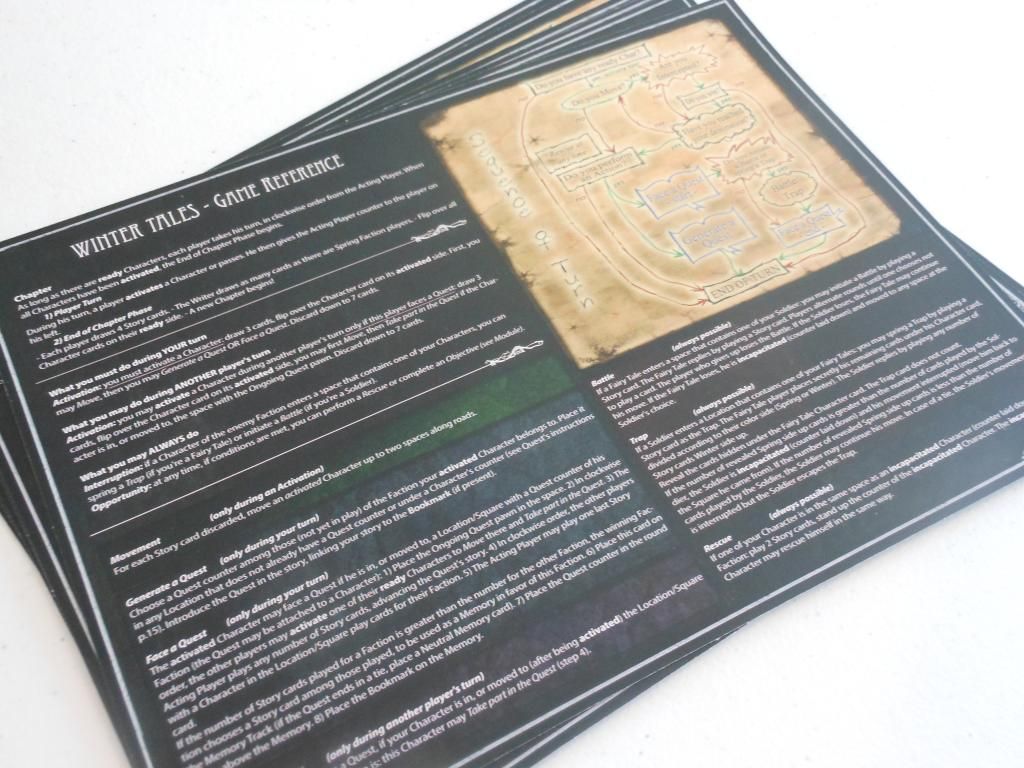
Winter Tales reference sheet
I really don't want to hang these reference sheets on the wall.


Competitiveness did seep into other areas of the game once we started playing, and there were a few times when we had to discuss an alternative to the direction players were trying to take, and where it seemed obvious to me that other gaming groups might have come unstuck.

One of the biggest problems is that, behind the story, the mechanisms of the game boil down to playing more cards that your opponent. That meant everybody kept card-counting, and then playing just enough cards to ensure a win, sometimes at the expense of the story.

The other issue is that competitive players tend to be destructive, attempting to tear down the story that other players are creating. Rather than expanding on a plot that another character has made, such players attempt to eradicate the plot completely. For example, after Alice found a secret room to use as a safe house for her rebel friends, I had to explain that it wasn't really in the spirit of the story for another player to say the room was an hallucination brought on by Alice's madness. There was an even worse example of this towards the end of the game, but I'll get to that in a minute. First, I want to tell you a story.

Our story: The one my gaming group created.

It started with Alice trying to create a safe house in the asylum where she was incarcerated. She found a secret room, which she was guarding, but the Mad Hatter broke in with his guards and captured her. Fortunately, the Tin Man, who had broken out of the Nightmare Factory where the White Rabbit was experimenting on him to create an army of robots based on the same technology, was heading to the asylum to free Alice. He rescued her, but his huge weight sent them crashing through the floor into a network of underground tunnels where they were able to establish a safe house for the rebels.

Meanwhile, there was a rumour that the cold, dead remains of Dorothy were buried in the grounds of her deserted mansion (Dorothy was not selected as a player character in our game). The White Rabbit went to investigate this news, intending to exhume the body to parade through the town square as a warning to the other rebels. The White Rabbit also had an elixir he had brewed at his Nightmare Factory, and he used this to reanimate Dorothy's body so she would shamble around the town as a living corpse.

Grumpy the dwarf had fought in the war of Autumn, but he had been captured and now resided in the prison. But the sneaky dwarf had actually allowed himself to be captured, so he could listen in on the guards talking, allowing him to use his network of allies to spread messages. He had heard of a great artefact somewhere in the park that might aid his cause, and had sent word to the Little Match Girl. Unfortunately, Mangiafuoco patrolled the prison grounds regularly, and had got wind of Grumpy's tricks. He rushed to the park to intercept the Little Match Girl, but on the way he had to enter the deserted Puppet Theatre.

As Mangiafuoco entered the Theatre, he noticed a net hanging from the ceiling: A trap laid by Pinocchio. Fortunately, Mangiafuoco was prepared, and had a Molotov cocktail, which he hurled into the rafters. Pinocchio leapt down, demanding to know why Mangiafuoco had burned down his hammock (I had been bluffing, there was no trap), but Mangiafuoco was already gone, leaving the Theatre to burn, and positioning himself to stop the Little Match Girl completing her quest.

Sensing the final battle was upon them, the forces of Winter sent the Big Bad Wolf to the nightmare factory, where he seized the key that would animate the army of robots that the White Rabbit had made based on the Tin Man's designs.

Fortunately for the Spring rebels, the Little Match Girl had her own designs, and sought to bring a new hope to her people. Using her mysterious powers, she took the flames that were gutting the Puppet Theatre, and drew them into a single flickering flame on the head of one of her matches. This match was taken by the Scarecrow, who blew on it, sending magic out into the world. For the first time in years, flowers started to bloom.

And that was the situation as we went into the epilogue. Both sides had two stories, and the winner would be determined by the faction that played the most cards in the epilogue...

Things went a bit nuts.

Spring started the epilogue. Magic was floating through the world, and in Oakes Park, the great artefact the Little Match Girl had heard of was discovered: A beautiful white horse locked in a cage. The magic shattered the cage, and the horse ran free, lifting the spirits of everyone who saw it. Pinocchio and the Scarecrow saw it as a sign that things were changing, and together they started to rebuild the Puppet Theatre.

And then the competitive player took his turn...

Winter Tales


God was angry at the introduction of magic into the world. He sent down the archangel Gabriel, who blew up the Puppet Theatre with a stick of dynamite.

Now... That right there shows you everything that can go wrong with this game. It is out of character to the story, and it totally destroys everything that the previous player has created.

Okay, it was really, really funny.

But it was not in the spirit of the game.

Although it was really, really funny.

We all laughed about it, and then I suggested (as Arbiter) that we should go a different route. However, everyone else at the table said we should run with it, so I had to concede. Luckily, it was my turn next, and I had these cards:

Winter Tales


So, as the angel Gabriel blew up the Theatre, Pinocchio and the Scarecrow were blown clear of any harm thanks to some incredible good luck. Pinocchio knew the wrath of God was on them, so he dropped to his knees and prayed. He explained that all he wanted was justice for his people. And God heard his pleas, and decided to help. Using his Godly power, he animated the White Rabbit's army of tin men, and used them to crush the remaining Winter forces.

It was a win for the Spring rebels.

And it was a win for the game.

Everyone said they had fun. Everyone said they wanted to play again. And that's all I want from any game. If people are having fun, and people want to keep on playing, then I'm happy. Even if the ending wasn't quite what I would have liked.

And that's the thing: The mechanisms for this game are a bit clunky, and sometimes the stories don't go the way you want them to; but being involved in that creative experience is a beautiful thing. This is, quite simply, one of the best games I own. There is nothing else even remotely like it.

I have the original edition, but I understand Fantasy Flight Games has just released a new edition. I have no idea what the difference is (maybe there isn't any), but hopefully this game gets even more recognition, and maybe even gets some expansions.

Now, here's the downside: I am a writer of children's fantasy novels. This game was pretty much made for me. I was guaranteed to love it, so absolutely everything I say has to be viewed through that lens. Not everyone is going to feel the way I do about storytelling, and if you play this game with the wrong group, you are probably going to have a horrible time. Furthermore, finding the right group might not be easy.

And you might need to find multiple right groups. There are only a few cards in the box, 14 characters, and a handful of locations: If you keep playing with the same people, they are probably going to start recycling old ideas. Of course, expansions would help with this, and I would love to see some more characters and quests.

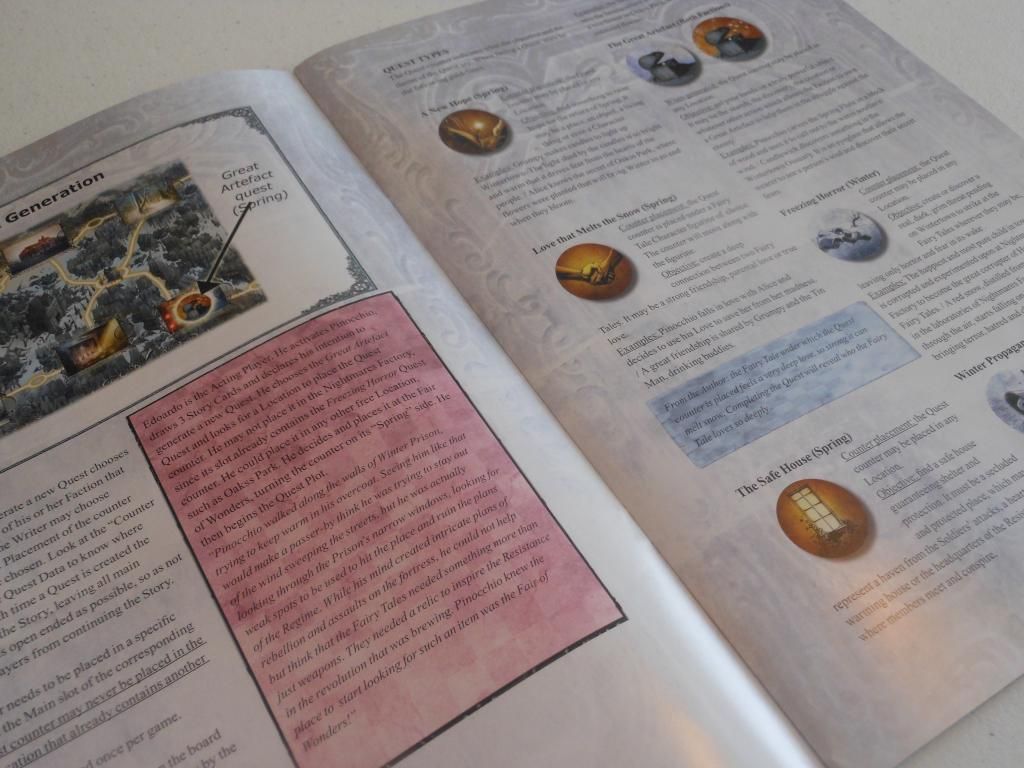
Winter Tales rules
The rule book is lavishly illustrated but poorly translated.


As for what I learned from my first game:

First of all, play with the Quests Rewards and Character Powers modules. These are optional rules that you can use if you want to. And you must use them. Quest Rewards give characters special powers when those quests are completed, and Character Powers give each character a unique ability. These are necessary to combat the negative impact that card counting has on the game. Basically, if you play without special powers, it is very easy to keep track of how many cards people have. Once you introduce powers, people start getting free movements, extra cards, bonus attacks, and more, which makes it harder to card count.

Additionally, cards (for all factions) should be played onto a single pile. We played our cards lined out, making card counting quick and easy. It is much better to play the cards into a single stack, as it makes it harder to card count and people will start to focus more on the story instead.

And that's it really.

That's the end of my story.

Now it's your turn...